News analysis
Why you don't need a flying car
The airborne Roadster is a spectacular idea. But what would you choose for your next car: more performance, more comfort, or less time behind the wheel?
By Michael McLaughlin · AI assisted
Watch the original video ↓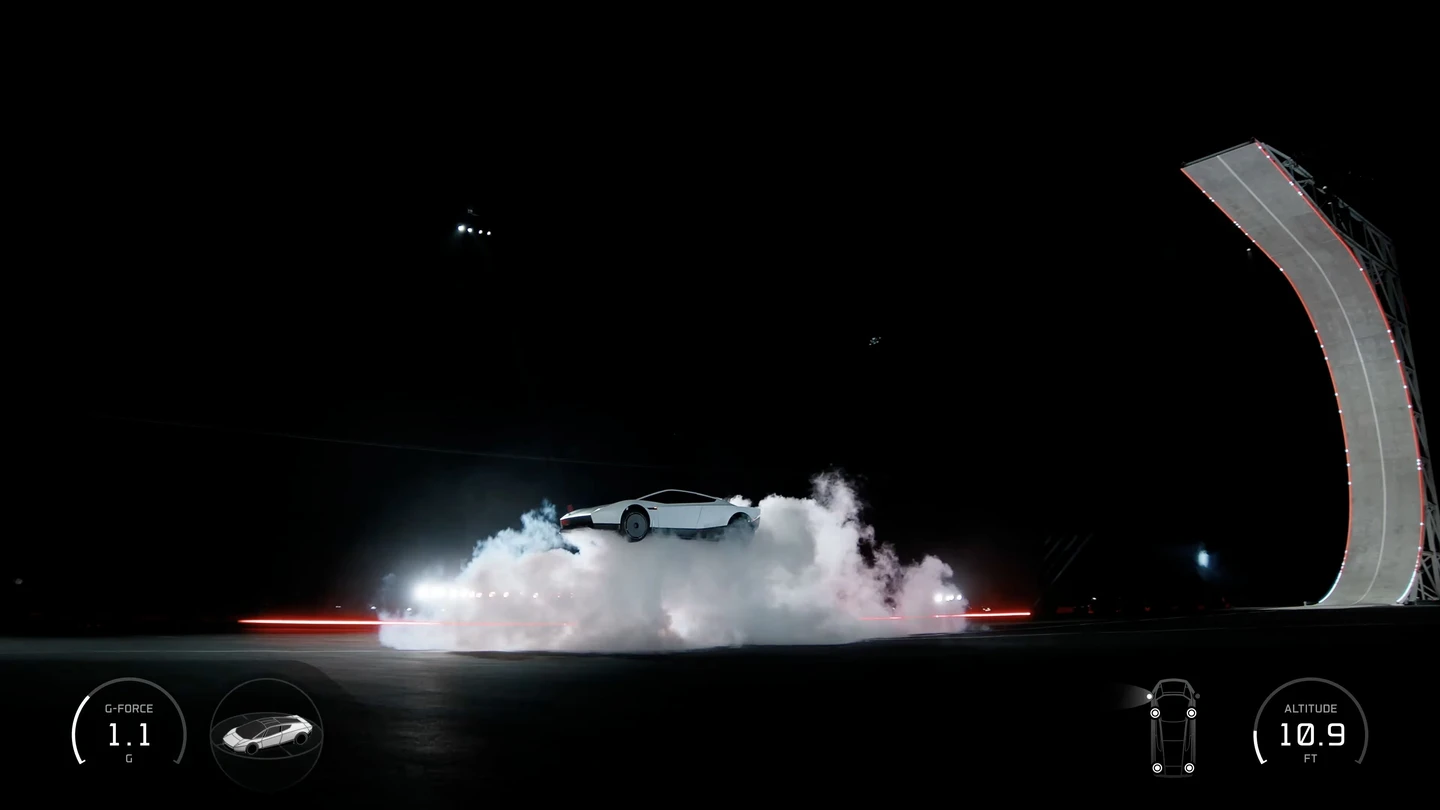
Image credit: Tesla. Roadster demonstration, shortly before landing. Image source (opens in a new tab)
Tesla’s October 15 Roadster demonstration offers a spectacular answer to the question of what a sports car might do next. Watching one leave the ground is exciting. It also invites a more personal question: what do you want your next car to do for you?
Perhaps you want something fast and fun. Perhaps you want a quieter cabin, better technology or enough room for everyone to travel comfortably. Or perhaps you would rather let the car handle the driving.
Those preferences lead to very different buying decisions.
What would you change about the car you have?
Before comparing models, name one or two things you want your next vehicle to improve. Be specific. “I want to feel less worn out after a long drive.” “I want room for the people and equipment I usually carry.” “I want a car I look forward to driving.”
Each answer gives you something useful to investigate.
If comfort comes first, spend time in the seats, including the ones your passengers will use. On a test drive, pay attention to the ride and cabin noise. Can you settle into a comfortable position? Are the controls easy to reach and use?
If technology is the attraction, decide what you want it to help with. Parking? Navigation? Driving? A long feature list tells you less than seeing whether the functions you care about are straightforward to use.
If performance is your priority, ask what excites you: acceleration, cornering, top speed or simply the feel of driving. Where would you enjoy that capability? An occasional track day and a favorite weekend route give you different reasons to choose a car.
The point is to give your priorities enough weight that an impressive feature you rarely use doesn’t decide the purchase.
Who is coming, and where are you going?
Picture the journeys you expect to make, with the people who will actually be in the car.
Will you usually travel alone, with a partner, with children or with older relatives? Does anyone need easier access? What needs to fit alongside them: a stroller, sports equipment, luggage or a dog?
Then think about destinations. Short local trips, regular highway journeys and weekends away deserve different attention when you assess space, comfort and the practicalities of stopping along the way.
Even the Roadster illustrates why the exact version matters. Tesla’s product page distinguishes Performance, Thrust and Rocket configurations. The company describes Rocket as invitation-only, with one seat and no approval for public-road use. Those restrictions belong to Rocket, not automatically to every Roadster. Tesla listed the project in design development in its October 21 quarterly update.
For your own shortlist, start with the trips and passengers a vehicle must accommodate. Then decide which compromises you would willingly make for something you really want.
Do you want help driving, or do you want to be a passenger?
This may be the most interesting question raised by the next generation of vehicles.
If you enjoy driving but dislike certain parts of it, assistance might be what you want to investigate. If your goal is to travel without driving, the responsibility needs to change much more substantially.
NHTSA’s definitions make the distinction clear. At Level 2, a system can assist with steering and acceleration or braking together, but the driver remains fully engaged and responsible. At Level 4, the system handles driving within a limited service area, without requiring a passenger to drive. These are definitions, not claims about what the Roadster can do.
Start with a journey you would like to hand over. Would the system cover that route? Would you still need to supervise? What happens if the destination or conditions fall outside its operating limits?
The answers change what you should compare. Someone seeking help at the wheel needs to understand the assistance and their continuing duties. Someone seeking a ride without driving needs to establish whether the service covers the journey at all.
Choose your priorities before your shortlist
Write down your two priorities and use them when comparing vehicles. If they are passenger comfort and easier long journeys, give those more attention than acceleration figures. If driving enjoyment comes first, be clear about the space or convenience you are prepared to trade for it.
We take the same approach to humanoid robots. Our article asking whether you would trust a kung fu robot in your home starts with what someone would want a robot to help them do.
The Roadster makes an exciting case for following what comes next. You can enjoy every ambitious demonstration in our news and videos while keeping a clear idea of what would make your next vehicle worth buying.
Watch the original video
Sources and claim notes
- event date
- 2026-10-15Source(opens in a new tab)Original replay's expanded description and Video details; event date, not this article's publication date.
- development status
- Tesla lists Roadster in design developmentReportedSource(opens in a new tab)Tesla-hosted October 21 Form 8-K, Exhibit 99.1, printed page 6 (PDF page 9), manufacturing table. The original standalone update URL was inaccessible in this check. This is the same issuer-published update in the regulatory wrapper, not independent production verification.
- rocket configuration
- Tesla describes Rocket as invitation-only, with one seat and no public-road approvalReportedSource(opens in a new tab)Rocket card only. Do not apply that wording to every Roadster configuration; exact demonstration trim remains unresolved.
- demonstration scope
- Sampled official replay frames depict airborne vehicle actionSource(opens in a new tab)Selected frames around 7:13–7:18 and 11:10–11:21 were inspected. This records visible manufacturer footage, not a continuous viewing or independent flight test.
- configuration qualifiers
- Tesla separates Performance, Thrust and Rocket descriptions, with different footnote scopesReportedSource(opens in a new tab)Configuration cards, Rocket-specific marker and broader optional-Thrust qualification coexist; exact event/customer mapping is unresolved.
- level 2 responsibility
- NHTSA defines Level 2 as combined steering and acceleration/braking assistance while the driver remains fully engaged and responsibleSource(opens in a new tab)The Road to Full Automation, Level 2 Additional Assistance. Definition only; not a classification of Roadster or another named product, nor a claim about current market availability.
- level 4 responsibility
- NHTSA defines Level 4 as the system handling driving within limited service areas without requiring a passenger to driveSource(opens in a new tab)The Road to Full Automation, Level 4 High Automation. Definition only; not a claim that any named vehicle/service is available, universally capable or suitable for a particular route.