
WeRide Robobus LCR 2.0
1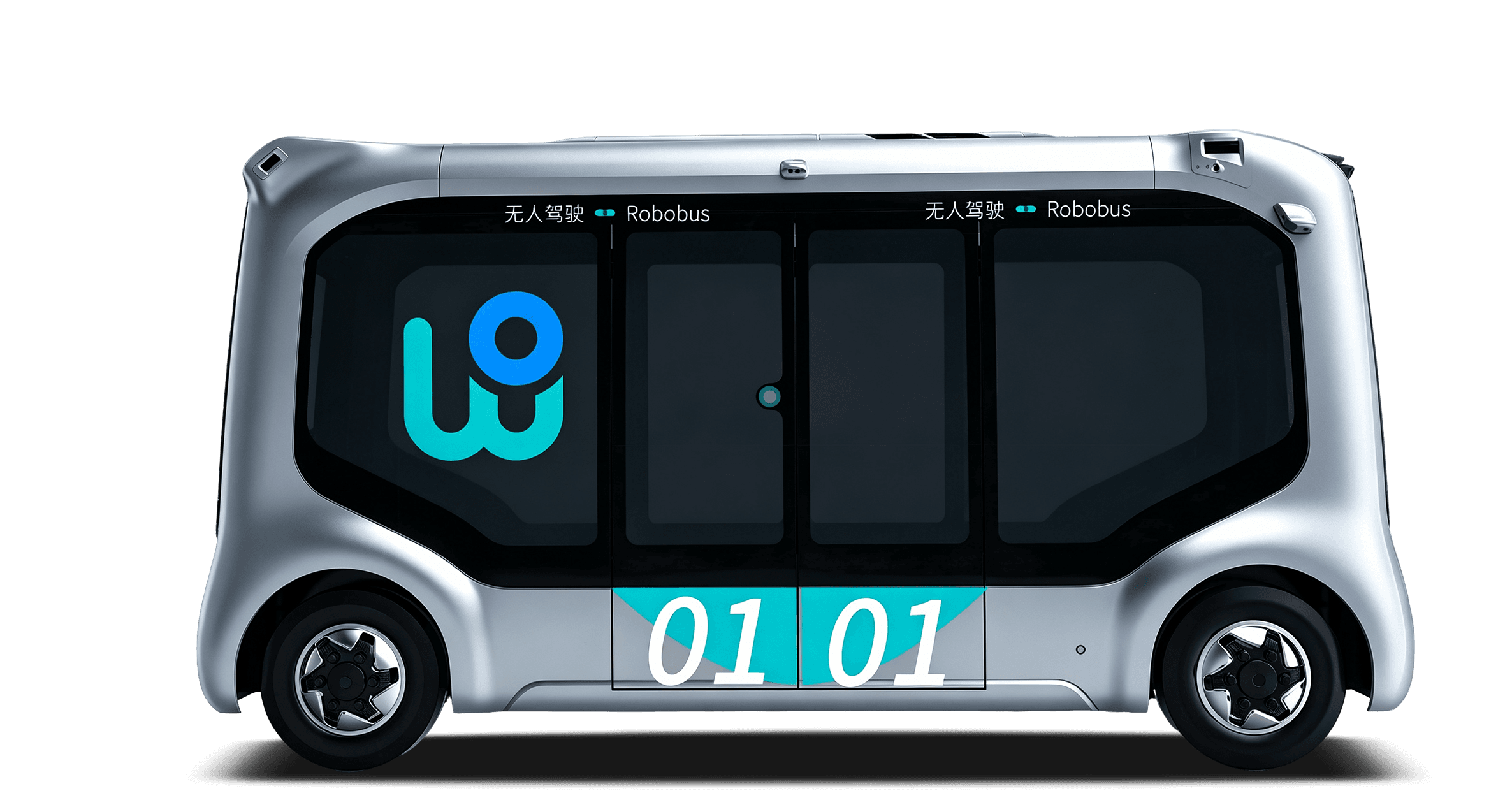
Image credit: WeRide. Official LCR 2.0 product image from WeRide’s current 10-seat catalogue section. It does not depict or identify an older eight-seat route vehicle. Camera origin, image date, model year and exact legal producer are unconfirmed. Image source (opens in a new tab)
WeRide Robobus LCR 2.0 is a shared passenger shuttle, with ten seats listed in the catalogue checked on October 26, 2026. Its practical value starts with the stops people need and the boarding arrangements on an actual service. A named vehicle can help explain what is proposed, but it does not supply a timetable, booking or permission to run a route.1Reported
The family and its configurations
The LCR 2.0 sheet describes ten seats and an HPC 3.0 computing platform. Earlier Robobus deployments used other configurations: WeRide’s September 2025 Punggol announcement specified an eight-seat Robobus. These figures belong to their named versions and dates. A photograph or seating count from the earlier deployment should not silently become a description of LCR 2.0.12Reported
WeRide’s July 2025 account of Resorts World Sentosa describes a fixed loop connecting several hotels and The Galleria. The company said it had removed the onboard safety officer, with constant remote monitoring as part of the operating arrangements. The initial Punggol programme, by contrast, was announced with a trained safety operator onboard. Those are different services with different supervision contexts.32Reported
A useful shuttle must fit the passenger
For someone travelling with a child, a folded buggy or limited mobility, the most helpful information is the operator’s boarding arrangement and usable space on that exact vehicle. Ask where assistance is available and what happens if the shuttle stops between destinations. The Robobus name can identify the technology, but the route’s operating rules determine whether it fits the trip.13Reported
A venue considering Robobus should start with a real passenger flow: where people arrive, where they need to go and when demand peaks. Then ask which model is proposed, how people board, how remote staff respond and what road conditions restrict service. WeRide’s global catalogue mixes testing and operations, so a local contract and operating plan are the useful next documents.13Reported
Which Robobus does this page describe?
This page describes LCR 2.0, the named model in WeRide’s October 26 catalogue. The September 2025 eight-seat Punggol vehicle and July 2025 Sentosa service remain historical Robobus context. The checked evidence does not identify either fleet as LCR 2.0. Their routes and supervision arrangements therefore do not establish how this model is authorized to operate.123Reported
What is LCR 2.0 for?
It is a passenger minibus/shuttle for shared routes. A useful proposal starts with a station, venue or other destination people need to reach, then the stops and times that make the connection worthwhile. This page describes the physical vehicle, not a personal car for household ownership.1Reported
How many passengers can it carry?
WeRide lists ten seats for LCR 2.0. That is a maker-reported seating figure, not a promise that every local service accepts ten passengers, children, luggage or a wheelchair in the same arrangement. Confirm usable space and boarding assistance with the exact operator. The older eight-seat Robobus is a separate configuration.12Reported
Can I book an LCR 2.0 ride near me?
No current LCR 2.0 service area, timetable or booking entitlement is established here. WeRide’s catalogue mixes testing and operations. The dated Punggol and Sentosa accounts describe particular Robobus programmes and do not identify those vehicles as LCR 2.0. Check the service’s current stops and eligibility before planning a journey.13Reported
Is there a driver, or can it run without supervision?
The checked sources do not establish the exact LCR 2.0 operating domain, driving-software version or supervision arrangement for a customer route. Older Robobus programmes had different arrangements, including onboard safety operators or remote monitoring. Those histories cannot authorize this model or establish independently certified driving capability.123Reported
Can a household buy it, and what does it cost?
A consumer purchase price, delivery contract and region-specific ownership package are not established. Treat the catalogue as a starting point for an enquiry. A venue or transport buyer should request the exact model, legal producer, operating approvals and all recurring costs before treating a proposal as a deployable service.1
What should a venue ask before choosing this shuttle?
Ask for a route-specific plan covering stops, boarding access, child and wheelchair arrangements, weather and road limits, remote response and recovery when a trip stops. WeRide’s HPC 3.0 and 2,000 TOPS claim describes computing hardware; it does not answer those operating questions. Maintenance and support commitments remain unestablished here.1Reported
Explore further
Sources and notes
- 1. WeRide current products
Catalogue evidence checked October 26, 2026 identifies LCR 2.0, ten seats and HPC 3.0. Its mixed testing/operation city list is not a route entitlement. Price, legal producer, exact deployment, support and local operating limits remain unknown.Reported
Evidence checked: 2026-10-26
- 2. WeRide and Grab Ai.R announcement
The September 22, 2025 announcement describes an eight-seat Robobus for Grab’s Ai.R programme in Punggol, initially with an onboard safety operator. It does not identify the vehicle as LCR 2.0 or provide a current timetable.Reported
Evidence checked: 2026-10-26
- 3. Resorts World Sentosa Robobus operations
The July 17, 2025 Sentosa account describes a fixed resort loop, no onboard safety officer and constant remote monitoring. This is dated Robobus operating context, not proof of an LCR 2.0 assignment.Reported
Evidence checked: 2026-10-26
Vehicle details
- Configuration
- Robobus LCR 2.0 passenger shuttle 1
- Vehicle brand
- WeRide 1
- Seats
- 10 Reported 1
Buying and availability
- Configuration
- Robobus LCR 2.0 passenger shuttle 1
Explore further
Sources
Source checked 2026-10-26